
The importance of hydration for sport and exercise
Hydration is important in maintaining your optimal physical performance and also avoiding bad health consequences such as headaches. It’s important to stay on top of your liquid intake to help you avoid dehydration.
The signs of de-hydration
According to Dr Richard Allison, Author of our ‘Nutrition for Performance’ eLearning course, these are the signs and symptoms you should look out for if you think you’re de-hydrated:
- Dry mouth and/or dry eyes
- Salt streaks
- Feeling thirsty
- Dark/discoloured urine
- Involuntary spasms and contractions of skeletal muscle (getting cramp…ouch!)
- Twitching/tightening
- General pain
- Headaches
…To name a few!
Let’s look at the facts
According to the UK Hydration for Health Expert Group, even slight dehydration (a loss of 1-2% of body weight) can impact negatively your physical performance by up to 30%.
Another study by the University of East London found that 75% of UK adults do not drink enough water on a daily basis, not enough to match the recommended intake.
As mentioned in the signs and symptoms above, a study published in the Journal of Human Kinetics found that dehydration can increase the risk of overheating, muscle cramps and fatigue during exercise.
- BLOG: Dealing with eating disorders in sport
- BLOG: Dealing with anxiety in young players
- NEWS: Accelerate Sport launches new courses
Why is hydration important?
Hydration helps to regulate body temperature, because when you exercise, your body produces heat. By drinking water, it can help to tackle that heat by allowing your sweat glands to produce sweat (sweat cools your skin as it evaporates).
Hydration also supports cardiovascular function. Your heart needs to pump more blood to your muscles during exercise, and dehydration can make this process more difficult. This in turn can lead to fatigue and decreased performance.
Finally, maintaining muscle function is also important, your muscles need water to contract and relax properly. Being dehydrated can make muscles less efficient which can lead to cramping, fatigue, and decreased performance.
How much water should you drink for hydration?
Dr Richard Allison recommends the following to keep your weight loss to under 2%
- 2 Litres per day plus 1 Litre for every hour of training
- Always 500ml before exercising
- 150-250ml of fluid every 15-20 minutes
- Always 500ml immediately after exercise
Feeling thirsty is not always an indicator of your hydration status, so it’s important to always drink water even if you don’t feel thirsty.
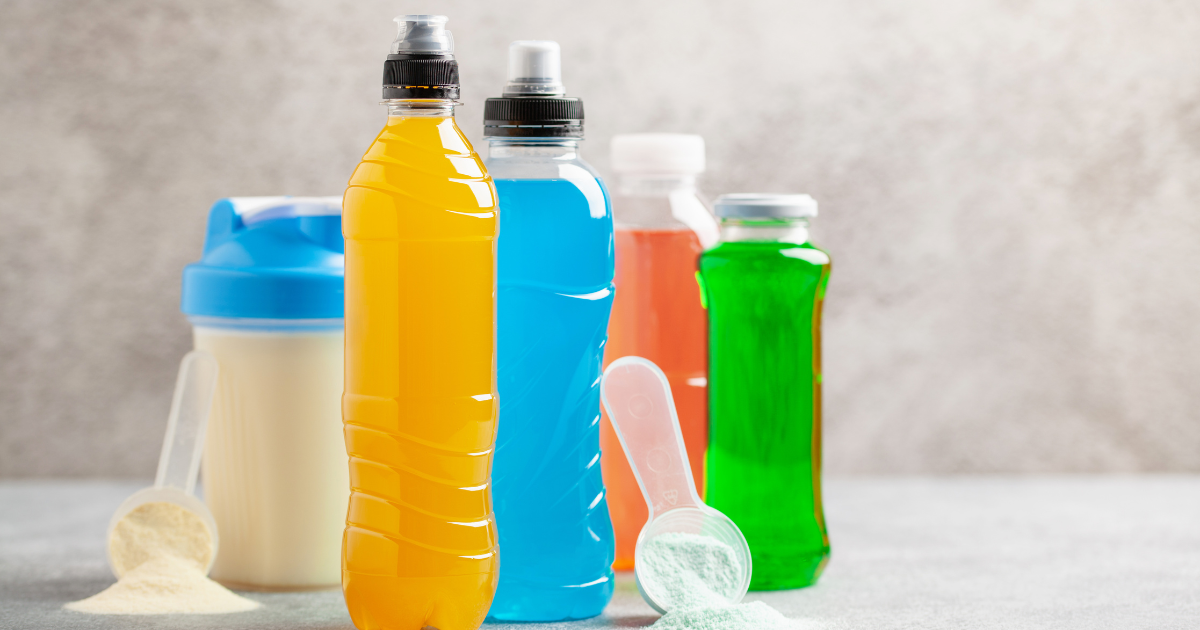
If you’re exercising for more than an hour, perhaps consider a sports drink that also contains electrolytes, such as a hydration drink like Lucozade. These help to replace the sodium, potassium, and other minerals you lose when sweating during exercise.
Nonetheless remember to always stay hydrated before, during and also after your exercise to avoid impacting on your physical performance. Drink enough water and don’t forget to also keep a water bottle handy to remind you to drink regularly.

eLearning courses you might find handy
We’ve referenced Dr Richard Allison throughout this post. Richard is a registered Performance Nutritionist and Clinical Dietician. Richard formerly worked as Head Nutritionist at Arsenal Football Club.
Accelerate Sport teamed up with Dr Richard Allison in the creation of 2 online training courses for sport: Nutrition for Performance and also our Tacking Eating Disorders course.
Tackling Eating Disorders in Sport
The Tackling Eating Disorders course will enable you to spot the symptoms of a range of eating disorders, and also understand the barriers to getting help and gain practical information about what you can do to help your workforce. Also this is a great course to give you an overview of nutrition, and the effects of negative nutrition on the mind and the body.
More info: Click here to learn about our Tackling Eating Disorders in Sport eLearning course
Nutrition for Performance
Furthermore, this nutrition course also takes a deeper dive into your nutrition as an athlete, with a focus on improving sports and exercise.
More info: Click here to learn about our Nutrition for Performance eLearning course